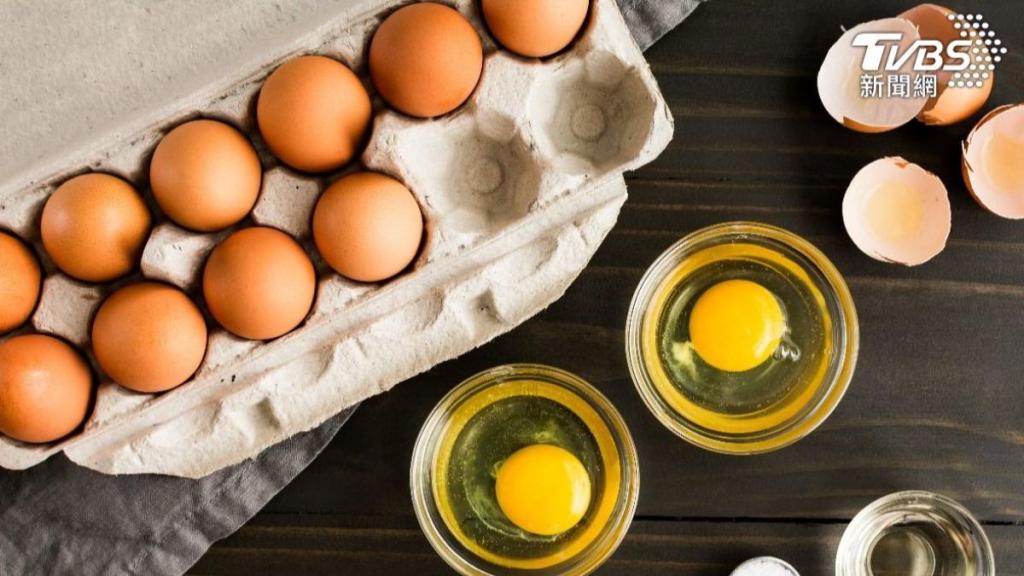
Every kitchen, restaurant, and food manufacturer depends on a reliable chicken egg supplier to keep operations running smoothly and shelves stocked. Much like the ancient trade routes that connected civilisations through the exchange of essential goods, today’s egg supply chain is a sophisticated network of farmers, distributors, and quality controllers working in concert. Understanding how this system functions, and what separates an exceptional supplier from a mediocre one, is knowledge worth having for any serious food business.
The Biology Behind the Business
To appreciate what a chicken egg supplier does, one must first appreciate what goes into producing a consistent, high-quality egg. Hens are not simply machines. They are living creatures whose productivity is shaped by genetics, nutrition, environment, and stress levels. The best suppliers understand this biological reality and invest accordingly.
A hen’s laying cycle, diet, and housing conditions directly influence the nutritional profile, shell strength, and yolk colour of every egg she produces. Suppliers who prioritise flock welfare tend to produce eggs of a noticeably higher standard, not because of sentimentality, but because animal biology demands it. This is the kind of systems thinking that separates world-class supply chains from unreliable ones.
What Quality Standards Actually Mean
The phrase “quality standards” is used so frequently in the food industry that it risks losing all meaning. For a chicken egg supplier, quality encompasses several measurable, non-negotiable criteria:
- Shell integrity: Eggs must be free from cracks, which create entry points for bacteria including Salmonella
- Grade classification: Eggs are graded by weight and interior quality, typically ranging from Grade A to Grade C
- Freshness dating: Proper labelling with packing dates and expiry windows ensures downstream buyers can manage stock rotation
- Cleanliness standards: Eggs must be free from soiling and washed according to food safety regulations
- Cold chain compliance: Temperature-controlled storage and transport prevent bacterial growth and maintain freshness
In Singapore, where food safety regulations are among the tightest in the region, licensed egg suppliers must adhere to the Singapore Food Agency’s strict protocols. As one industry figure noted, “The standards here are not optional. Buyers expect consistency in every tray, every week, without exception.” This expectation shapes how suppliers structure their entire operation.
The Supply Chain: From Farm to Fork
The journey of an egg from a laying hen to a consumer’s breakfast plate involves more steps than most people realise. A well-managed chicken egg supplier oversees each stage with precision.
The process typically unfolds as follows:
- Hens lay eggs in climate-controlled housing facilities designed to minimise stress and maximise production
- Eggs are collected multiple times daily to reduce breakage and contamination risk
- They pass through automated grading machines that sort by size and detect internal defects using light technology (candling)
- Cleaned and graded eggs are packed and stored in cold rooms at approximately 7 to 13 degrees Celsius
- Distribution vehicles, refrigerated to maintain the cold chain, deliver to wholesalers, retailers, and food service businesses
Each link in this chain represents a potential point of failure. Suppliers who invest in technology, staff training, and rigorous auditing create supply chains that hold up under the pressures of high volume and tight delivery windows.
Singapore’s Unique Egg Supply Landscape
Singapore imports the vast majority of its eggs, primarily from Malaysia and Thailand, with a smaller portion coming from further afield. This dependence on imports makes the role of a trusted chicken egg supplier even more critical in the local context.
Following supply disruptions in recent years, Singapore’s food authorities have actively encouraged diversification of egg sources. Local farms, though operating at a smaller scale, have gained greater recognition for their ability to provide a buffer during periods of import instability. A knowledgeable supplier of chicken eggs operating within Singapore must therefore balance international sourcing with contingency planning, maintaining relationships with multiple farms across different regions.
As one Singapore-based food procurement specialist observed, “When you work with a supplier who only has one source, you are one crisis away from empty shelves. The best suppliers have built redundancy into their model.”
What Buyers Should Look for in a Supplier
Choosing the right chicken egg supplier is a decision that affects product quality, customer satisfaction, and business continuity. Buyers should evaluate potential partners across several dimensions:
- Traceability: Can the supplier identify the exact source farm for any given batch?
- Certifications: Do they hold relevant food safety and handling certifications?
- Consistency: Is the size grading and yolk quality consistent across deliveries?
- Flexibility: Can they accommodate volume changes during peak periods such as festive seasons?
- Communication: Do they proactively inform clients of potential supply disruptions?
These questions are not bureaucratic formalities. They reflect the real-world demands of running a food business where a single bad delivery can damage customer trust built over years.
The Bigger Picture
Eggs are among the oldest and most universally consumed foods in human history. The systems we have built to supply them reliably, safely, and at scale are a remarkable achievement of agricultural and logistical organisation. But like any complex system, the egg supply chain is only as strong as its weakest link. For businesses across Singapore and beyond, the decision of which chicken egg supplier to partner with is ultimately a decision about the reliability of their entire food operation.


Leave a Reply