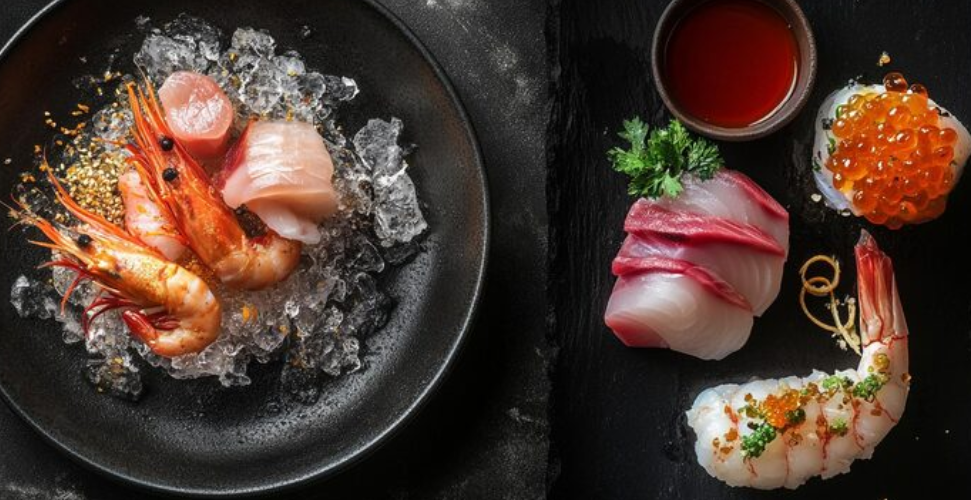
A great Pan-Asian meal does not depend on one star dish. It is the rhythm from start to finish. Light to rich. Cool to warm. Crisp to tender. When the pacing lands, flavors feel layered rather than loud, and guests remember the whole arc, not just a plate or two.
Begin bright and gentle
Open with small bites that wake the palate without filling it. Think citrusy crudo, a spoon of ginger scallion tofu, or a tiny salad with rice vinegar and sesame. Keep heat modest. Offer a dipping sauce with clean acidity, maybe a ponzu or lime chili blend. The goal is clarity. People should taste the next course more sharply because of the first.
Build a bridge with texture
Texture is your secret tool. Follow something silky with something crisp. Delicate dumplings next to a cucumber smash. Light tempura beside pickled radish. A mix like this resets the mouth between flavors and keeps the pace lively. Use herbs for lift. Thai basil, shiso, and cilantro nudge the aroma without heavy sauce.
Work the spice ladder, not a cliff
If you love heat, climb slowly. Start with a playful tingle. Add deeper spice as the meal progresses. A mild chili oil on noodles early. A bolder curry or peppercorn finish later. Heat should support the dish, not steal it. Keep an escape hatch on the table, like plain rice or cooling greens, so guests can tune their own bite.
Choose cooking methods with intent
Variety matters. Steam for purity. Grill for smoke. Stir fry for snap. Braise for comfort. Pan-Asian menus shine when these techniques rotate in a sensible order. Steamed fish with ginger early. Grilled skewers in the middle. A crisp stir fry for energy. A slow braise as the warm anchor near the end. The sequence feels like a story with chapters.
Balance umami and acidity
Many Asian traditions lean on umami from soy, miso, fish sauce, dried mushrooms, and kombu. Balance that depth with bright partners. Citrus, rice vinegar, tart pickles, and fresh fruit keep the table awake. If a sauce turns heavy, lift it with a squeeze of lemon or a splash of dashi. Tiny adjustments change everything.
Noodles and rice as pacing tools
Carbs can slow a meal or carry it forward. Use them deliberately. A small cold noodle with sesame can reset the palate. A warm rice bowl with aromatics can collect sauces and calm spice. Keep portions modest so energy stays steady. Think of these as commas rather than full stops.
Thoughtful beverages
Water is fine. Tea is better. Light, toasty teas pair well with seafood and steamed dishes. Fragrant jasmine suits grilled and fried items. For those who drink alcohol, dry sake with raw courses, crisp beer with fried bites, and a soft red for richer braises make sense. Keep it simple. Offer a non-alcoholic option with citrus and ginger so everyone feels included.
Plan for dietary needs without losing focus
Many guests will ask for vegetarian, shellfish free, or gluten mindful choices. Build flexible components. A dashi with two versions. One with bonito. One with only kombu and mushrooms. A sauce set that swaps wheat soy for tamari. A few small moves support more people without derailing the menu.
Give sides a purpose
Quick pickles, fresh herbs, crushed peanuts, chili pastes, and lime wedges let diners adjust each bite. Arrange them neatly. Label if needed. The table becomes interactive in a calm way. People tune flavors to their own preference, which lowers pressure on any single dish to be perfect for everyone.
Dessert that fits the arc
After spice and umami, dessert should feel refreshing. Think citrus granita, coconut sago, black sesame ice cream, or fresh fruit with a light syrup. Keep sugar controlled. Aim for clean finishes. A small pour of hot tea brings focus back and marks the end gently.
Service cadence and plating
Small plates move faster. Large plates slow things down. Use both. Stagger deliveries so the table never feels crowded, yet no one waits long. Plating can be simple. Sharp cuts, tidy edges, and a little color from herbs or pickles do the work. Warm dishes should arrive warm. Cold should arrive chilled. It sounds obvious. It is what makes the experience feel cared for.
A sample flow you can copy
- Citrus crudo or silken tofu with scallion and ginger
- Light dumpling or tempura with a bright dip
- Grilled skewers with herbs and pickles
- Cold sesame noodle or quick stir fry for contrast
- Slow braise or curry with small rice bowls
- Fresh, cool dessert and hot tea
Bottom line: a complete Pan-Asian dining experience is less about showing every cuisine and more about keeping balance. Start bright. Vary texture. Step the spice with intention. End clean. When each course prepares you for the next, the meal feels effortless from the first bite to the last.
This post was written by a professional at Fortu. Fortu stands out among the top Restaurants St Petersburg FL, offering an elevated Pan-Asian dining experience in the heart of St. Petersburg, Florida. Celebrating Asia’s vibrant and diverse culture, Fortu introduces bright and bold flavors to a bright and bold city with a menu of locally and sustainably sourced options, from small bites to hearty delicacies. Whether winding down from a beach day or celebrating a special occasion, guests can enjoy a lush, alluring atmosphere and an authentic taste of Asia’s divine cuisine at one of the finest Restaurants In Downtown St Petersburg FL.
 Bitezo
Leave a comment