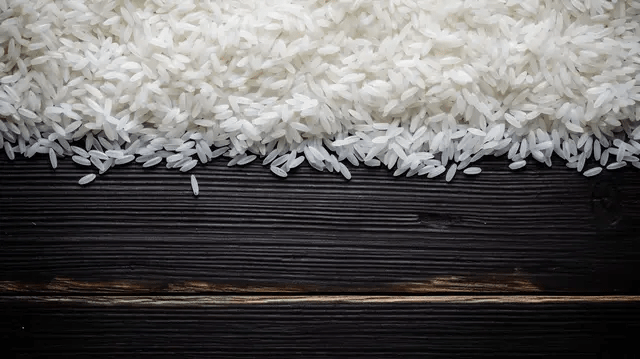
Gluten rice, more accurately termed glutinous rice, stands as one of the most intriguing misnomers in the culinary lexicon, for this variety contains not a trace of the gluten protein that afflicts those with coeliac disease. The nomenclature derives instead from the rice’s distinctively sticky, glue-like consistency when cooked, a characteristic that has made it indispensable across Asian cuisines for centuries. This adhesive quality, far from being a defect, represents a deliberate cultivation achievement, the result of selective breeding that maximised amylopectin content whilst minimising amylose, the two starch components that determine rice texture. Understanding the properties and applications of glutinous rice reveals much about the sophistication of Asian culinary traditions and the precision with which different rice varieties serve specific gastronomic purposes.
The cultivation of sticky rice varieties traces back thousands of years, with archaeological evidence suggesting its prominence in ancient agricultural societies throughout Southeast Asia and southern China. These communities recognised early on that certain rice varieties, when cooked, produced a cohesive mass rather than separate grains. This discovery proved revolutionary, enabling the creation of portable food parcels, ceremonial offerings, and festive delicacies that would have been impossible with ordinary rice.
The Science Behind the Stickiness
The distinctive texture of glutinous rice emerges from its starch composition. Ordinary rice contains both amylose and amylopectin in varying ratios, typically around 20 to 30 percent amylose. Glutinous varieties, by contrast, consist almost entirely of amylopectin, a highly branched starch molecule that creates stronger bonds between cooked grains. When heated in the presence of moisture, these amylopectin molecules absorb water and swell, their branched structures interlocking to form the characteristic sticky mass.
The absence of actual gluten bears emphasising, particularly given the confusion the name generates. Gluten, the protein complex found in wheat, barley, and rye, causes immune responses in individuals with coeliac disease. Glutinous rice remains entirely safe for such individuals, as rice contains no gluten proteins regardless of variety.
Varieties and Forms of Sticky Rice
Several distinct types of gluten rice serve different culinary purposes:
- Long-grain glutinous rice appears in Southeast Asian cooking, particularly Thai and Lao cuisines where it forms the daily staple. The grains, whilst sticky, retain some individual definition and possess a slightly chewy texture.
- Short-grain sticky rice predominates in East Asian applications, especially Japanese and Korean preparations. These rounder grains clump together more completely, creating the cohesive texture essential for sushi, mochi, and similar dishes.
- Black glutinous rice combines the adhesive properties with a dramatic purple-black colour and nutty flavour. This variety features prominently in desserts across Southeast Asia, where its striking appearance and wholesome taste make it a favourite.
- Glutinous rice flour extends the ingredient’s versatility, enabling its incorporation into dumplings, pastries, and various confections without requiring whole grain preparation.
Traditional and Contemporary Applications
The culinary applications of glutinous rice span an impressive range across Asian cuisines:
- Northern Thailand and Laos
Feature sticky rice as the daily staple, steamed in conical bamboo baskets and served with grilled meats, spicy salads, and vegetable dishes. Diners form small balls with their fingers for a traditional tactile eating experience.
- Chinese zongzi
Pyramid-shaped parcels wrapped in bamboo leaves, encasing sticky rice with fillings ranging from sweetened bean paste to savoury pork and mushrooms, requiring hours of simmering.
- Japanese mochi
Achieves an almost elastic consistency through pounding, serving as both an independent sweet and a wrapper for ice cream, bean paste, and fruit fillings, particularly essential during New Year celebrations.
- Eight-treasure rice pudding
Represents a festive Chinese dessert studded with dried fruits and nuts, showcasing the grain’s ability to absorb sweet flavours.
- Southeast Asian desserts
Utilise black glutinous rice for its striking colour and nutty flavour, often prepared with coconut milk and palm sugar.
In Singapore’s diverse culinary landscape, glutinous rice features prominently across multiple ethnic cuisines. As one food historian observed, “Singapore’s gluten rice usage demonstrates how a single ingredient adapts to serve multiple cultural traditions, from Peranakan kueh to Chinese dim sum, each application revealing different aspects of the grain’s versatility.”
Preparation Techniques and Considerations
Proper preparation of glutinous rice differs markedly from ordinary rice cooking:
- Soaking the grains for several hours or overnight allows them to absorb water and soften sufficiently for even cooking.
- Steaming rather than boiling represents the preferred method for whole grains, as direct water contact can make them excessively mushy.
- Bamboo steamers lined with cheesecloth permit steam circulation whilst preventing grains from falling through.
- Damp hands when shaping sticky rice prevent excessive adhesion during handling.
- Proper storage requires attention, as glutinous rice stales more rapidly than ordinary varieties and becomes hard if left uncovered.
For home cooks seeking to explore authentic Asian preparations or requiring the specific textural properties that only adhesive varieties provide, understanding and mastering gluten rice opens doors to culinary traditions spanning millennia and multiple cultures, all unified by appreciation for this remarkable grain based on gluten rice.
 Bitezo
Leave a comment