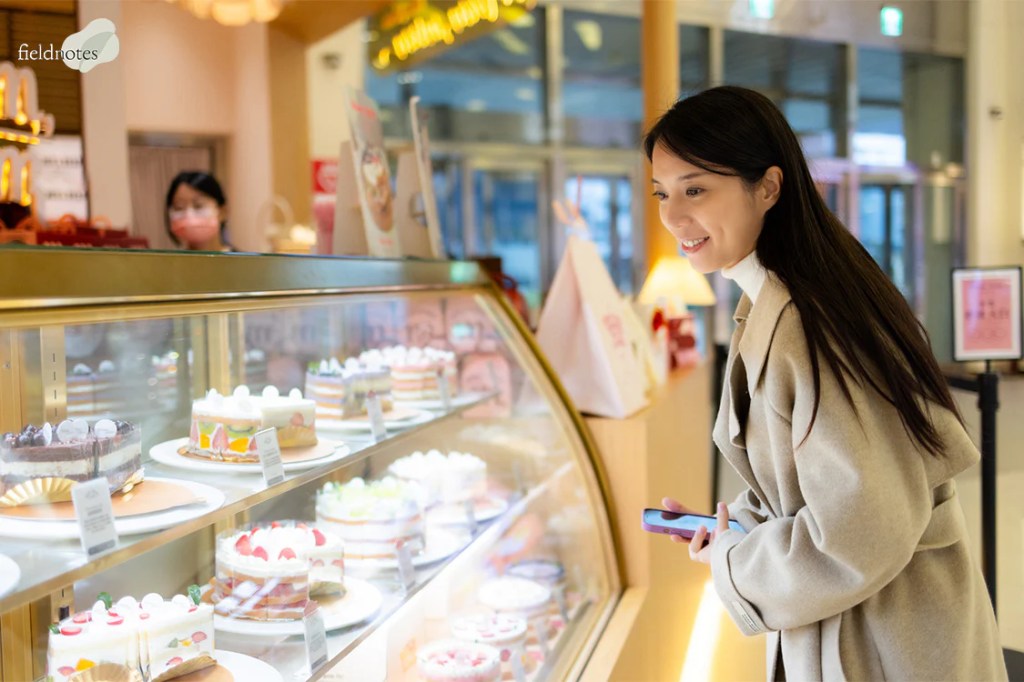
The rise of My Bake Studio’s customised cake in Singapore offers a fascinating window into the broader historical forces that have shaped contemporary Asian societies—revealing how global capitalism, cultural hybridisation, and the democratisation of luxury have converged to transform traditional celebration practices in ways that both reflect and reshape social hierarchies. To understand this phenomenon properly, we must examine it not merely as a culinary trend but as a historical document that illuminates the tensions between tradition and modernity, individual expression and collective identity, that define Singapore’s unique position in the post-colonial world.
The customised cake industry represents a microcosm of Singapore’s broader transformation from colonial trading post to global financial centre—a trajectory that has consistently involved the creative adaptation of Western forms to local needs whilst maintaining distinctive cultural characteristics that resist complete assimilation.
The Colonial Inheritance and Its Transformations
The historical roots of Singapore’s contemporary cake culture trace back to the colonial period, when British administrators introduced Western baking traditions that required imported ingredients and new forms of domestic labour. These early cake customs represented what historians call “cultural imperialism”—the systematic privileging of European tastes that positioned Western consumption patterns as markers of civilisation.
Yet even during the colonial era, local communities began adapting these imported traditions. Chinese families incorporated auspicious symbols into Western-style celebrations. Malay households blended traditional kueh-making techniques with European recipes. This historical pattern of creative adaptation established precedents that continue to shape Singapore’s approach to cultural innovation today.
The Post-Independence Social Laboratory
Singapore’s rapid development after 1965 created unique conditions for cultural experimentation that help explain the particular character of its customised cake phenomenon. The government’s deliberate cultivation of multiculturalism as state policy created spaces for cultural fusion that might not have emerged in societies with more rigid ethnic boundaries or stronger assimilationist pressures.
The Housing Development Board’s public housing programme, which deliberately mixed ethnic communities in carefully planned proportions, created daily interactions between families from different cultural backgrounds. These interactions facilitated the kind of informal knowledge exchange that enables culinary innovation—neighbours sharing techniques, children requesting cakes that combined elements from multiple traditions, families learning to navigate diverse celebration expectations within shared apartment blocks.
The historical significance of this social engineering cannot be overstated. By creating conditions for sustained intercultural contact whilst maintaining official recognition of distinct ethnic identities, Singapore’s post-independence leaders inadvertently fostered the kind of cultural creativity that now characterises its customised cake industry.
Economic Development and the Democratisation of Luxury
The customised cake phenomenon must be understood within the context of Singapore’s economic transformation over the past five decades. The shift from developing to developed economy has created new middle-class constituencies with both disposable income and cultural confidence necessary to support luxury consumption unimaginable for previous generations.
This economic development has proceeded unevenly, creating what historians call “compressed modernity”—the simultaneous experience of multiple development stages within single communities. This compression explains several distinctive features of Singapore’s cake culture:
- Intergenerational knowledge transfer: Grandparents teaching traditional techniques whilst learning modern aesthetics
- Hybrid pricing strategies: Premium customisation available at multiple price points
- Flexible production models: Home-based businesses operating alongside industrial bakeries
- Cultural code-switching: Families navigating between traditional and contemporary celebration practices
- Technology adoption: Social media enabling rapid skill transmission and community building
- Global-local fusion: International design trends adapted to local cultural requirements
The Politics of Personalisation
From a historical perspective, the emphasis on customisation within Singapore’s cake culture represents a fascinating case study in how societies balance individual expression with collective identity. The ability to personalise celebration foods reflects broader democratic impulses whilst operating within cultural frameworks that continue to privilege certain forms of expression over others.
The customisation process itself reveals complex negotiations between personal preference and social expectation. Families must navigate between children’s individual desires and cultural appropriateness, between creative innovation and traditional symbolism, between personal budgets and social pressure to demonstrate care through elaborate displays.
These negotiations echo broader historical tensions within Singapore’s development model, which has consistently sought to encourage individual entrepreneurship and creativity whilst maintaining social cohesion and cultural authenticity. The cake industry represents one arena where these tensions play out at the intimate level of family celebration.
Documentation and Memory
As a historian, I’m particularly struck by how customised cakes function as historical documents that capture specific moments in family and community development. Unlike traditional celebration foods that follow established patterns, customised cakes preserve unique combinations of personal preference, cultural influence, and historical moment that will never be precisely replicated.
As cultural historian Dr. Patricia Lim observes: “The evolution of My Bake Studio’s customised cake in Singapore culture provides invaluable documentation of how globalisation operates at the intimate level of family celebration—revealing both the possibilities and constraints that shape individual choice within broader historical forces.”
These edible archives offer future historians unique insights into the values, aspirations, and creative capacities of early 21st-century Singaporean families. They document not only what people chose to celebrate but how they chose to express those celebrations—evidence that will prove invaluable for understanding this particular historical moment.
Historical Continuities and Ruptures
Looking ahead, the customised cake phenomenon will likely continue evolving in ways that reflect Singapore’s ongoing historical development. Climate change pressures may influence ingredient choices and production methods. Technological advances will create new possibilities for personalisation and distribution. Demographic changes will reshape the cultural influences that inform design preferences.
Yet certain historical continuities seem likely to persist—the creative adaptation of global influences to local needs, the negotiation between individual expression and collective identity, the use of food as a medium for cultural innovation and social bonding.Understanding the historical dimensions of My Bake Studio’s customised cake in Singapore culture helps us recognise it not as a superficial trend but as a meaningful expression of how societies navigate the complex challenges of maintaining cultural authenticity whilst embracing beneficial changes in an interconnected world.
 Bitezo
Leave a comment